









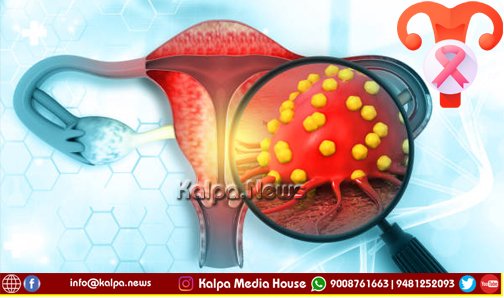
Kalpa Media House | Special Article | Cervical cancer remains one of the most preventable yet life-threatening cancers affecting women worldwide. It develops in the cells of the cervix—the lower part of the uterus that connects to the vagina—and is primarily caused by persistent infection with high-risk strains of the Human Papillomavirus (HPV). Despite being largely preventable through screening and vaccination, cervical cancer continues to claim thousands of lives each year, mainly due to late diagnosis.
Who Is at High Risk?
Certain factors increase a woman’s risk of developing cervical cancer. Women who have multiple sexual partners or engage in sexual activity at an early age are more prone to HPV infection. Smoking is another major risk factor, as it weakens the immune system’s ability to fight HPV. Poor genital hygiene also contributes to increased vulnerability.
Symptoms to Watch Out For
Cervical cancer often shows no symptoms in its early stages, making regular screening essential. However, as the disease progresses, symptoms may include:
- Excessive or unusual vaginal discharge
- Bleeding between periods or after sexual intercourse
- Postmenopausal bleeding
- Persistent pain in the lower abdomen or back
- Women should seek medical attention if they experience any of these warning signs, as early diagnosis significantly improves treatment outcomes.
 Screening Methods for Cervical Cancer
Regular screening can help detect precancerous changes at an early stage. The most common and effective screening methods include:
Pap Smear Test: A simple, painless test in which a doctor collects cervical cells using a small brush to check for abnormalities.
HPV DNA Test: Detects high-risk HPV types that may lead to cervical cancer.
VIA Method (Visual Inspection with Acetic Acid): A low-cost, effective screening method often used in community health programs.
HPV DNA Detection: Identifies the presence of the virus at the molecular level.
When Should Screening Be Done?
- Women aged 36–60 years should undergo regular Pap tests.
- Reproductive-age women are advised to get tested either before or after their menstrual cycle.
- Postmenopausal women should have a Pap test every three years, or a Pap test combined with an HPV test every five years, as recommended by doctors.
 HPV Vaccination: A Shield Against Cervical Cancer
HPV is responsible for most cases of cervical cancer. Out of more than 200 HPV types, 14 are considered high-risk, including HPV 16 and 18. The virus spreads primarily through intimate skin-to-skin or sexual contact and can also cause anal, vaginal, and vulvar cancers. It is estimated that over 80% of men and women will contract HPV at least once in their lifetime.
- The HPV vaccine provides safe and effective protection against high-risk types of the virus.
- Girls aged 9–14 years: Two doses, six months apart
- Girls aged 15–26 years: Three doses for complete protection
- Vaccination at an early age, before exposure to HPV, offers the best preventive benefit and plays a crucial role in reducing the global burden of cervical cancer.
Treatment Options
Treatment depends on the stage and severity of the disease. The main treatment modalities include:
Radiotherapy (Teletherapy and Brachytherapy): Uses high-energy rays to destroy cancer cells
Chemotherapy: Administers drugs to kill or slow the growth of cancer cells
Surgery: Removes cancerous tissue and, in some cases, the uterus and nearby lymph nodes
Cervical cancer is both preventable and curable if detected early. Regular screening, maintaining good genital hygiene, avoiding smoking, and receiving the HPV vaccine are vital steps every woman should take. Awareness, timely diagnosis, and proactive health practices can go a long way in ensuring a life free from cervical cancer.
Contact For News & Advertising : Whatsapp: 9008761663, 9481252093 – info@kalpa.news